
Voice AI for Independent Auto Repair Shops: The AI Receptionist That Answers When Technicians Can't
Updated
Picture a two-bay repair shop on a busy morning. One technician is tracing an electrical problem; the owner is explaining an estimate to a customer. The phone rings. Answering means interrupting work already underway. Letting it ring means another person must wait, leave a message, or try somewhere else.
An AI receptionist for an auto repair shop can cover that gap: answering calls, collecting vehicle details, handling routine questions, and arranging the next step. For an independent repair shop, its value comes from fitting around the work in the bays, including jobs that cannot be scheduled or priced during a first conversation.
The useful question is what the caller receives when nobody can pick up, and what work remains for the team afterward.
Why phone coverage matters at a small repair shop
At a small auto shop, front-desk work is often shared. Calls compete with repair explanations, parts deliveries, and vehicles arriving for pickup. Adding another employee is a meaningful expense, particularly when demand varies throughout the day.
In The Motor Ombudsman's survey of 85 UK auto service and repair businesses, 92% expected rising operating costs, taxes, and bills to be their biggest challenge in 2026, while 45% expected technician recruitment to remain difficult. The UK sample included independent shops and franchised dealer service departments. It describes their outlook, not missed-call rates at US repair shops.
Phone automation can provide coverage during the specific periods a small team struggles to cover. Start by checking your own call history: when do unanswered calls cluster, and how many are new inquiries, existing customers or repeat attempts by the same person?
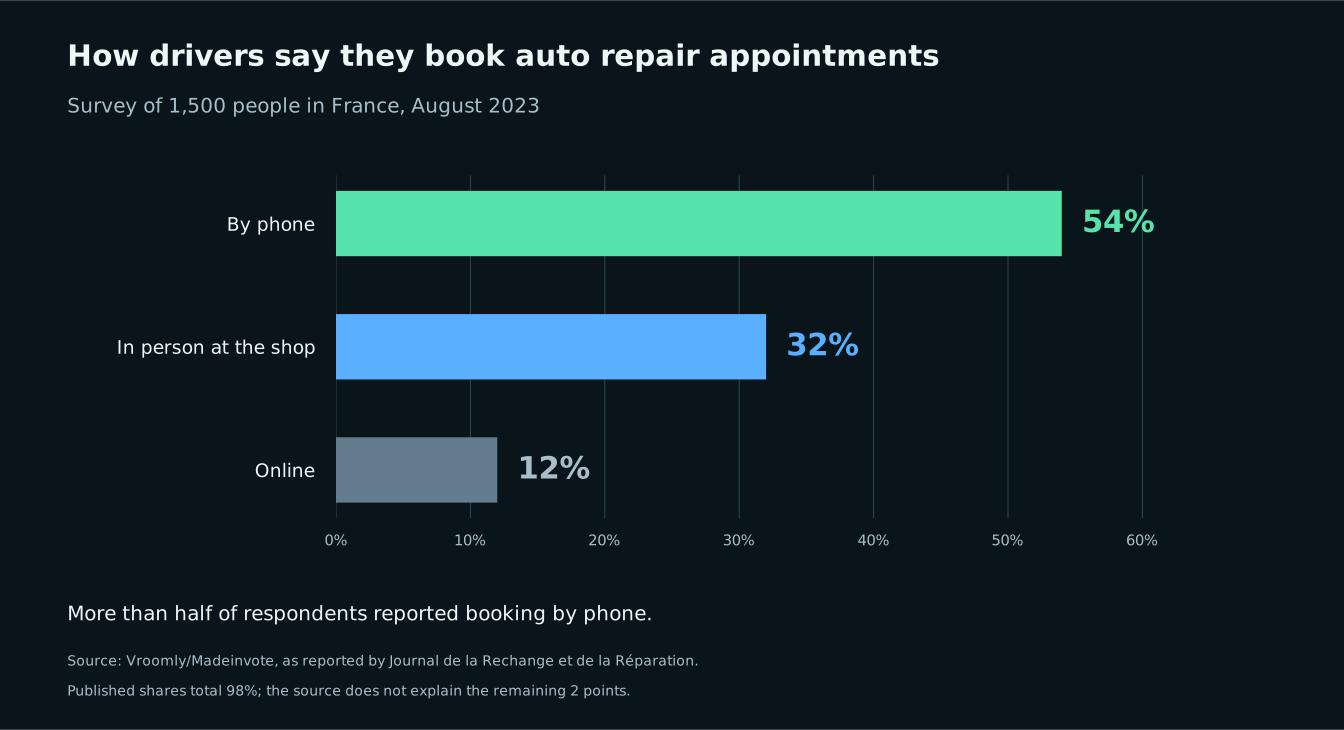
The phone remains a common route to a service appointment. In a 2023 Vroomly/Madeinvote survey reported by Journal de la Rechange et de la Réparation, 54% of 1,500 French respondents said they use the phone to book, compared with 32% who go to the shop and 12% who book online. This survey describes France, not US booking preferences or the effect of voice AI. A US shop should examine its own call and appointment records before forecasting demand.
What does an AI receptionist for a repair shop actually do?
A traditional auto repair answering service may simply take messages. A connected voice AI agent can also use approved business information and scheduling tools during the conversation. A driver asking about an oil change can provide vehicle details, hear available appointment options, and receive a confirmation when the integration supports it.
That connection matters when comparing AI phone answering for mechanics. Ask the provider to demonstrate a booking in your shop management system. If the connection fails, the agent should take a request for confirmation rather than claim an appointment exists.
Other conversations need different outcomes. Someone asking whether the repair shop works on their make of vehicle can receive an immediate answer. A customer describing an intermittent problem may need a diagnostic appointment. A complaint about yesterday's repair should reach the person responsible, with the caller's explanation attached.
For useful intake, capture the customer's name and callback number, license plate or other vehicle details, requested service or symptoms, and timing constraints. Record the customer's description faithfully. “Noise when turning left” is useful information; silently converting it into a guessed diagnosis is not.
Book the right visit, not just an empty calendar slot
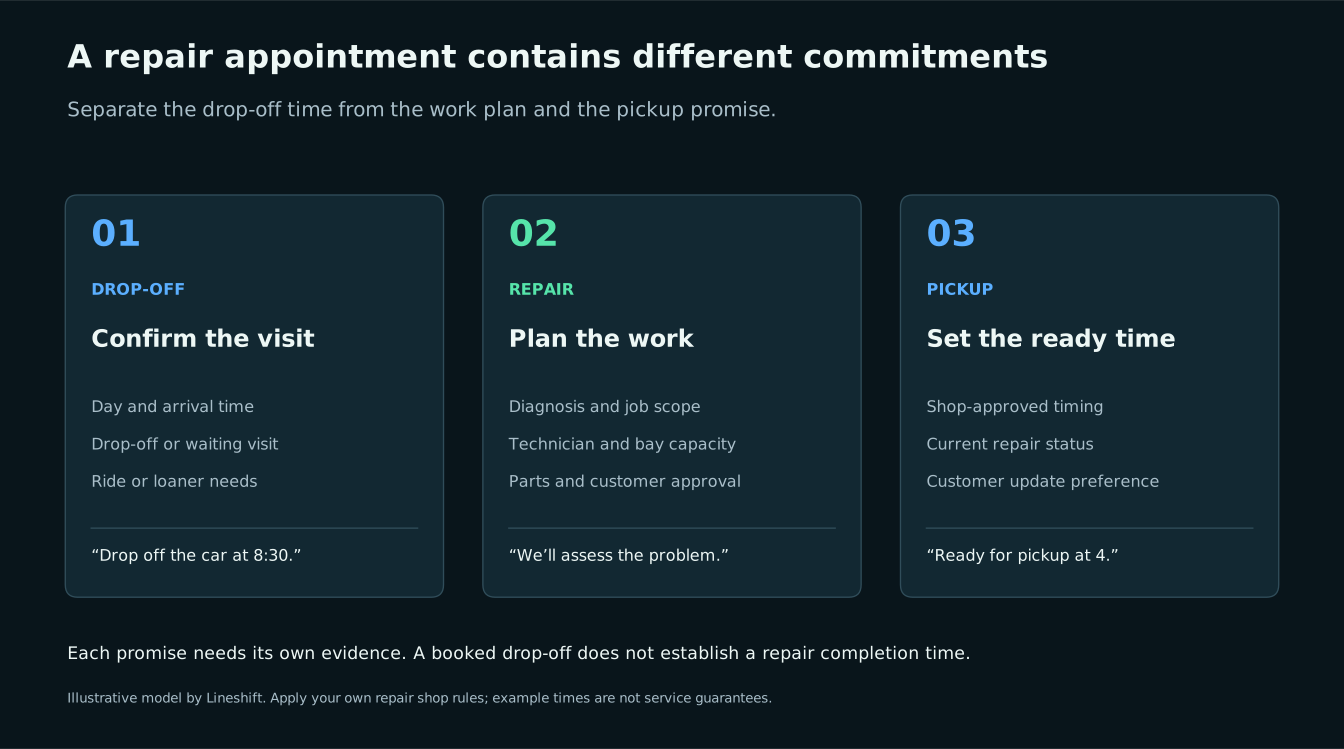
The most important scheduling distinction is between drop-off time, planned work, and pickup time. A customer leaving a car at 8:30 does not automatically have an 8:30 repair start or a 9:30 pickup promise. Waiting appointments introduce another constraint: the customer expects to remain on site.
Shop management software already reflects these distinctions. Tekmetric's booking settings, for example, support separate limits for waiting appointments, service-specific availability, and after-hours drop-offs. An AI receptionist should follow the repair shop's configured rules rather than treating every opening as interchangeable.
An illustrative conversation might sound like this:
Caller: “Can you look at a warning light tomorrow? I need the car for work.”
Receptionist: “I can check availability for a diagnostic visit. Would you be leaving the car with us, or do you need an appointment where you can wait?”
Once a suitable visit is agreed, repeat what has actually been booked. For uncertain repairs, explain when the customer will receive an assessment or update. Keep repair-duration and completion commitments with whoever can make them reliably.
Handle status calls without creating more interruptions
“Is my car ready?” is easy to answer only when the repair order is current. With the right access and customer verification, an agent can relay an approved update. If the record says the shop is waiting for parts, it should report that status without inventing an arrival time.
If the information is missing, create one assigned follow-up request. When the same customer calls again, update that request instead of generating another disconnected message. The technician or advisor should see what needs answering and who will respond.
Voice and text work well together here. J.D. Power's 2026 U.S. Aftermarket Service Index study, based on 10,572 vehicle owners, found that more than half of customers in each surveyed segment preferred texts for service updates. Among customers preferring texts, satisfaction averaged 854 out of 1,000 when they received texts, versus 840 when they received a phone call. These are observed survey results, not evidence of an AI effect.
Ask how the customer wants updates. A phone conversation can end with a text confirmation or an update when the shop has something definite to report.
Keep the personal service customers come back for
Automation creates room for better conversations when it takes routine work off the front desk. In a Ratchet+Wrench interview about online booking, shop owner Jason Smith explained that fewer incoming calls meant “it allows us to spend more time with the customers that are standing in front of us.” That example concerns online booking, but it captures the operational goal for voice automation too.
Give callers a straightforward way to request a person. Configure which issues deserve immediate attention and what happens when the owner is underneath a car. A handoff should carry the vehicle details and reason for calling; an unavailable colleague should trigger a callback with a named owner.
For a mechanic shop evaluating both options, a human answering service can offer flexible conversation and judgment. Voice AI can suit repeatable intake and connected workflows. A larger service center may handle overflow differently from an owner-operated auto shop. Test the actual handoff and booking process before deciding which arrangement fits your team.
Does voice AI pay for itself in an independent auto repair shop?
Use a small, transparent calculation. Illustrative example, not a Lineshift price: if the total monthly cost is $600 and an additional completed job contributes $120 after variable costs, five genuinely incremental jobs cover the cost. Include setup costs spread over time, usage, telephony, connectors, and time spent overseeing the service.
Do not multiply every missed call by an average repair ticket. Some callers are suppliers, some already have appointments, and others would call back anyway. Measure additional completed work against a credible baseline, plus any reduction in time spent answering routine questions. If the schedule is full, the main benefit may be fewer interruptions and more reliable customer updates.
Start where the phone currently loses attention
Pilot overflow calls or after-hours inquiries first. Agree which services can be booked, which prices can be quoted and which requests need a person. Review calls alongside the appointment records and completed callbacks, then adjust the rules with the team.
An AI receptionist earns its place when customers get a useful response and technicians can keep working. Request a custom Lineshift demo using your repair shop's own booking rules, common questions, and follow-up process.